


.png)
.jpg)
.png)


...
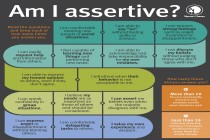
This was the question some of our beneficiaries, survivors of recent torture, reflected on and tried to answer as they participated yesterday in a workshop on assertive communication, held at RCTV Memoria’s office.
The kind of communicator we are plays an important role in our lives: it is not only a matter of how we interact with other people but also of how we think and feel about ourselves. We are all somewhere along the spectrum between aggressive and passive communication. Some of us will find themselves in the middle and reap the benefits of being assertive communicators.
When was the last time you said “no” to your best friend, or to your boss, without feeling guilty or anxious? Do you look people in the eyes when you talk to them? Do you easily ask others for help when you need it? Would you say your needs and rights are as important as everyone else’s? These are some of the traits that define an assertive communicator – they are firm, respectful and direct.
Participants actively participated in the group discussion, practiced “I-messages” and how to provide constructive feedback. Feeling relaxed and enjoying each other’s company, they behaved like the young people that they are, laughing and throwing in some jokes.
At the end, the performance of both facilitators to demonstrate the difference between active and passive communication was widely acclaimed, which makes us wonder whether RCTV Memoria might be a runner-up for the Oscars next Sunday!
Are you an assertive communicator? Take the test and find out!
(Source: http://blogs.mutualofomaha.com/articles/2013/09/03/measuring-assertiveness/)
This workshop is part of the plan of activities implemented by RCTV Memoria with the financial support of IRCT Centre Support Grant 2015-16.
by Margarida Hourmat,